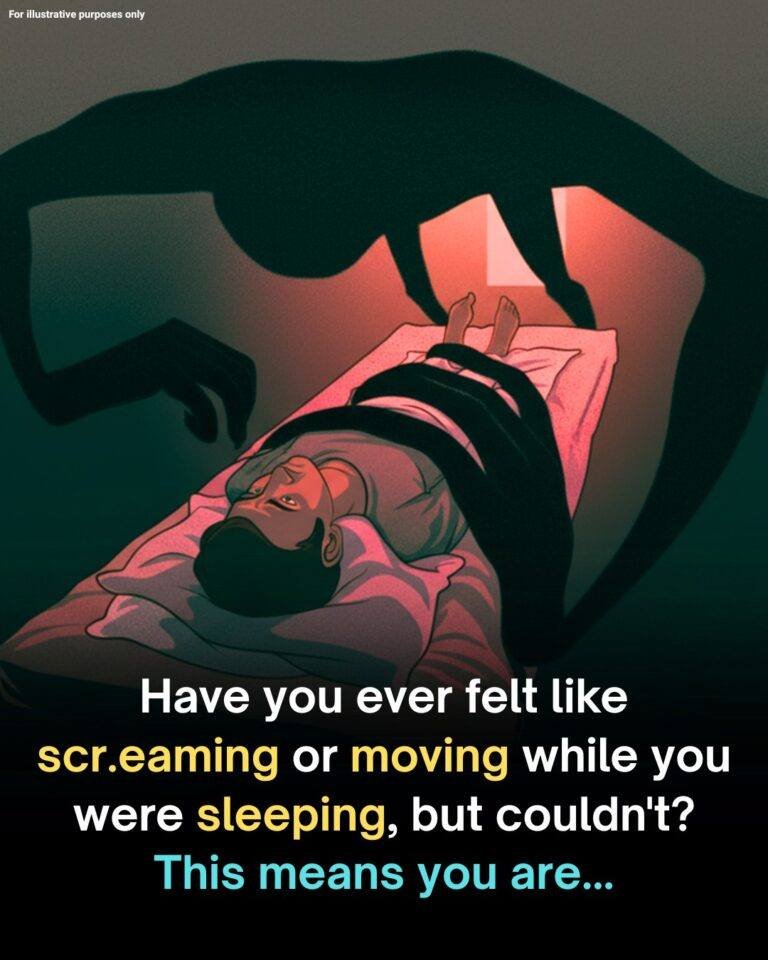
Ah — you’re describing a phenomenon called sleep paralysis. It can be frightening, but it’s relatively common and usually harmless. Let’s break it down carefully:
What Is Sleep Paralysis?
- It’s a temporary inability to move or speak when falling asleep or waking up.
- You may feel pressure on your chest, a sense of dread, or hallucinations (like seeing figures or feeling someone in the room).
- Usually lasts a few seconds to a couple of minutes.
Why It Happens
- REM Sleep Muscle Paralysis
- During REM (dream) sleep, your brain paralyzes muscles so you don’t act out dreams.
- Sleep paralysis occurs when your mind wakes up but your body hasn’t “caught up.”
- Sleep Disruptions
- Irregular sleep schedules, sleep deprivation, or frequent awakenings increase risk.
- Sleep Disorders
- Conditions like narcolepsy can make sleep paralysis more frequent.
- Stress or Anxiety
- High stress levels and mental fatigue can trigger episodes.
Tips to Reduce Sleep Paralysis
- Stick to a consistent sleep schedule.
- Ensure 7–9 hours of quality sleep.
- Sleep on your side rather than your back (back-sleeping increases episodes).
- Reduce stress: meditation, deep breathing, or journaling before bed.
- Avoid alcohol or heavy meals close to bedtime.
⚠️ When to See a Doctor
- Episodes are frequent or severely affecting sleep quality.
- Accompanied by extreme daytime sleepiness, snoring, or sudden muscle weakness.
- Could indicate narcolepsy or another sleep disorder.
💡 Quick Reassurance:
- Sleep paralysis is not dangerous, and most people experience it at least once.
- Focusing on relaxation and proper sleep habits usually reduces frequency.
If you want, I can make a “Sleep Paralysis Survival Guide” — showing step-by-step things to do if it happens, why it happens, and long-term prevention strategies.
Do you want me to make that?
