Doctors Reveal What Eating Beets Can Cause
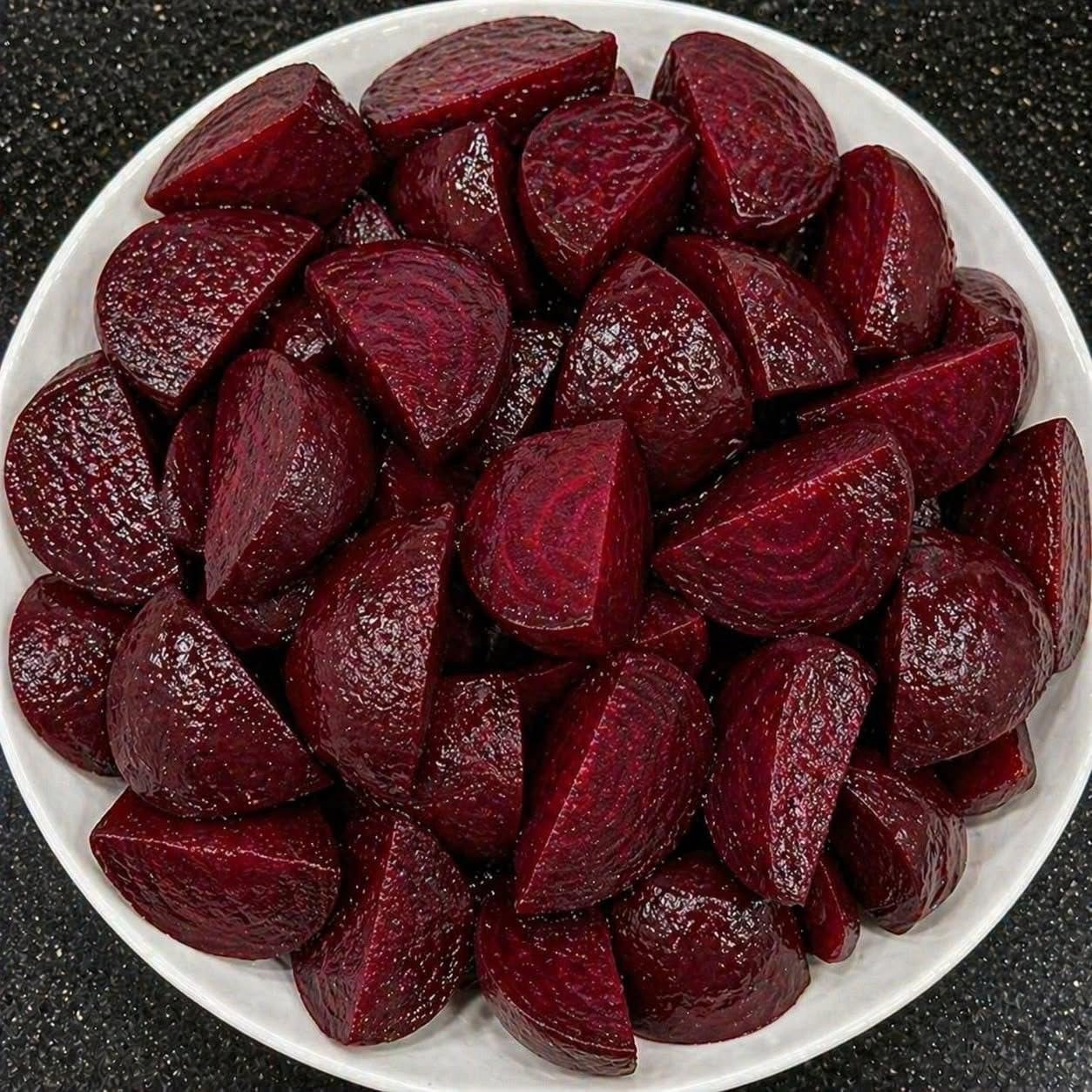
Beets are generally a nutritious food and are safe for most people. But the dramatic headline “eating beets causes…” usually refers to a few effects that can surprise people.
1. Red or pink urine
Beets can cause beeturia, making urine appear pink, red, or reddish-brown. This is usually harmless and results from beet pigments passing through the body.
If red urine continues after you’ve stopped eating beets, however, don’t automatically assume it’s from food—blood in the urine can have other causes and should be evaluated.
2. Red or pink stool
Beet pigments can also make bowel movements look red or burgundy. Again, this can be completely harmless after eating beets.
But black, tarry stool or persistent bright-red blood in the stool should not simply be blamed on beets.
3. Lower blood pressure
Beets are naturally rich in dietary nitrates, which the body can convert into nitric oxide. This can promote blood-vessel relaxation and may modestly lower blood pressure.
For people taking blood-pressure medication, this generally isn’t a reason to avoid beets, but anyone experiencing dizziness or unusually low blood pressure should discuss it with their healthcare professional.
4. Kidney stones in susceptible people
Beets contain a relatively high amount of oxalate. People who have had calcium-oxalate kidney stones may need to moderate high-oxalate foods depending on their individual dietary plan.
That doesn’t mean everyone should avoid beets.
5. Digestive changes
Beets contain fiber, so a sudden large increase in intake can cause gas, bloating, or changes in bowel movements, particularly if you’re not accustomed to much fiber.
The good news
Beets also provide folate, potassium, fiber, and beneficial plant compounds, making them a healthy addition to many diets.
Bottom line: For most people, eating beets doesn’t cause anything dangerous. Red urine or stool after eating them is often simply the beet pigments doing their thing. The important part is recognizing when a symptom persists or occurs without a dietary explanation.