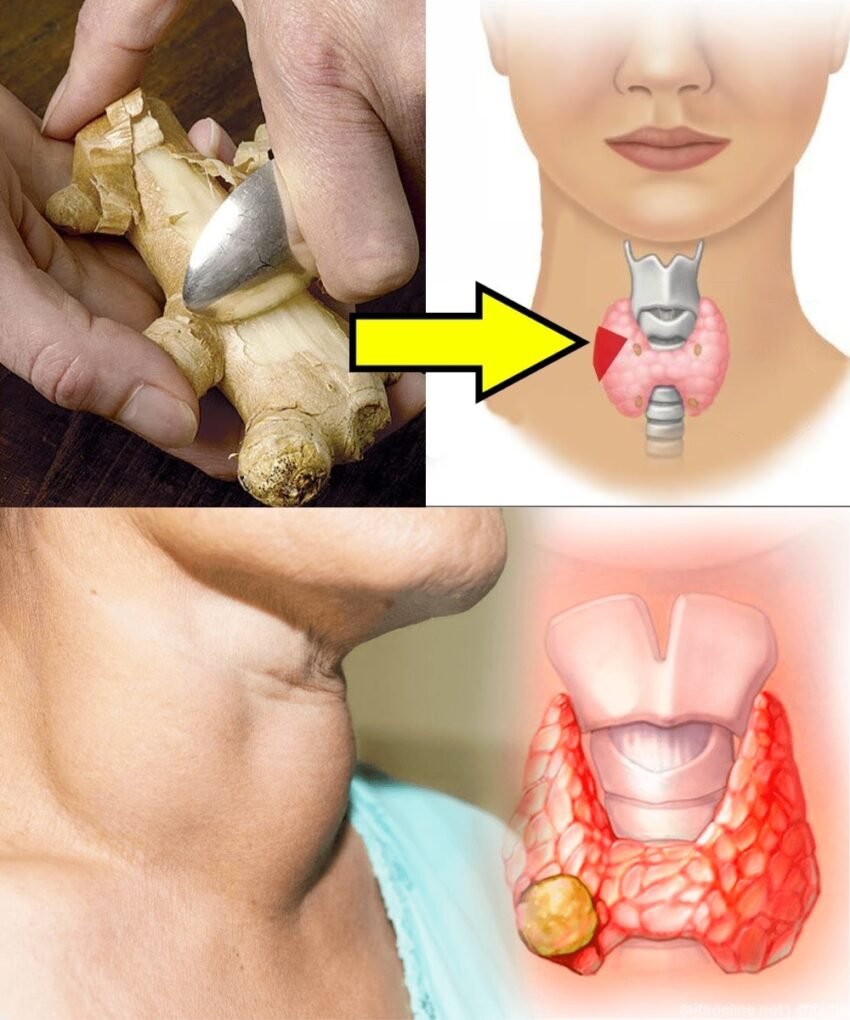
Here’s a clear and thorough list of 19 foods to avoid or limit if you have hypothyroidism or other thyroid problems, along with explanations on why these foods can interfere with thyroid health or medication:
19 Foods to Avoid or Limit with Hypothyroidism
1. Soy Products (tofu, soy milk, edamame)
- Can interfere with thyroid hormone absorption and may reduce thyroid function.
2. Cruciferous Vegetables (raw cabbage, broccoli, cauliflower, Brussels sprouts)
- Contain goitrogens that can interfere with iodine uptake, especially if eaten raw in large amounts. Cooking reduces this effect.
3. Gluten-Containing Foods (wheat, barley, rye)
- Linked to autoimmune thyroiditis (Hashimoto’s) in some people. May cause inflammation and worsen symptoms.
4. Processed Foods (fast food, packaged snacks)
- Often high in sodium, which can worsen hypothyroidism symptoms like high blood pressure and water retention.
5. Sugary Foods and Drinks
- Excess sugar can cause inflammation and weight gain, worsening hypothyroid symptoms.
6. Certain Fruits (peaches, strawberries, pears)
- Contain natural goitrogens; moderate intake is advised.
7. Millet
- Contains goitrogens and may interfere with thyroid hormone production if consumed in large amounts.
8. Fatty Foods (fried foods, high-fat dairy)
- Can impair thyroid hormone production and metabolism.
9. Alcohol
- Suppresses thyroid function and interferes with hormone metabolism.
10. Excessive Caffeine
- Can worsen anxiety and interfere with sleep, aggravating hypothyroid symptoms.
11. Raw Spinach and Other Leafy Greens (in excess)
- Contains goitrogens that may affect thyroid function, best eaten cooked.
12. Peaches and Strawberries
- Natural goitrogens; consume in moderation.
13. Certain Nuts (peanuts, pine nuts)
- Contain goitrogens that may interfere with thyroid function.
14. Corn
- Can interfere with thyroid hormone production in large amounts.
15. Sweet Potatoes
- Contains goitrogens; consume in moderation.
16. Cassava (Yuca)
- Contains cyanogenic glycosides, which can impair thyroid function if consumed excessively.
17. Artificial Sweeteners
- May affect thyroid function and metabolism negatively.
18. Certain Seafood (raw or high-mercury fish)
- Mercury and toxins can disrupt thyroid hormone production.
19. Foods High in Iodine (in excess)
- Excess iodine can worsen hypothyroidism or cause hyperthyroidism flare-ups.
Tips for Thyroid Health
- Focus on balanced, nutrient-dense foods rich in selenium, zinc, iodine (in moderation), and vitamins.
- Always take thyroid medication on an empty stomach and avoid eating these foods close to medication time.
- Consult your doctor or nutritionist before making major dietary changes.
💡 Bottom line: Avoiding or limiting these 19 foods can help manage hypothyroidism symptoms better and improve thyroid function when combined with proper medical treatment.
If you want, I can create a “Thyroid-Friendly Food Guide” highlighting safe alternatives and meal ideas to support thyroid health.
